Outdated EU rules are holding back the future of food supply and job creation
A new analysis maps, for the first time, the number of jobs linked to innovative new foods and ingredients within biosolutions. In Denmark alone, approximately 4,500 people are estimated to be employed in this field, and the number is expected to rise towards 2035. The analysis also shows that slow EU approval processes are limiting the sector’s growth potential.
September 9, 2026
September 11, 2026
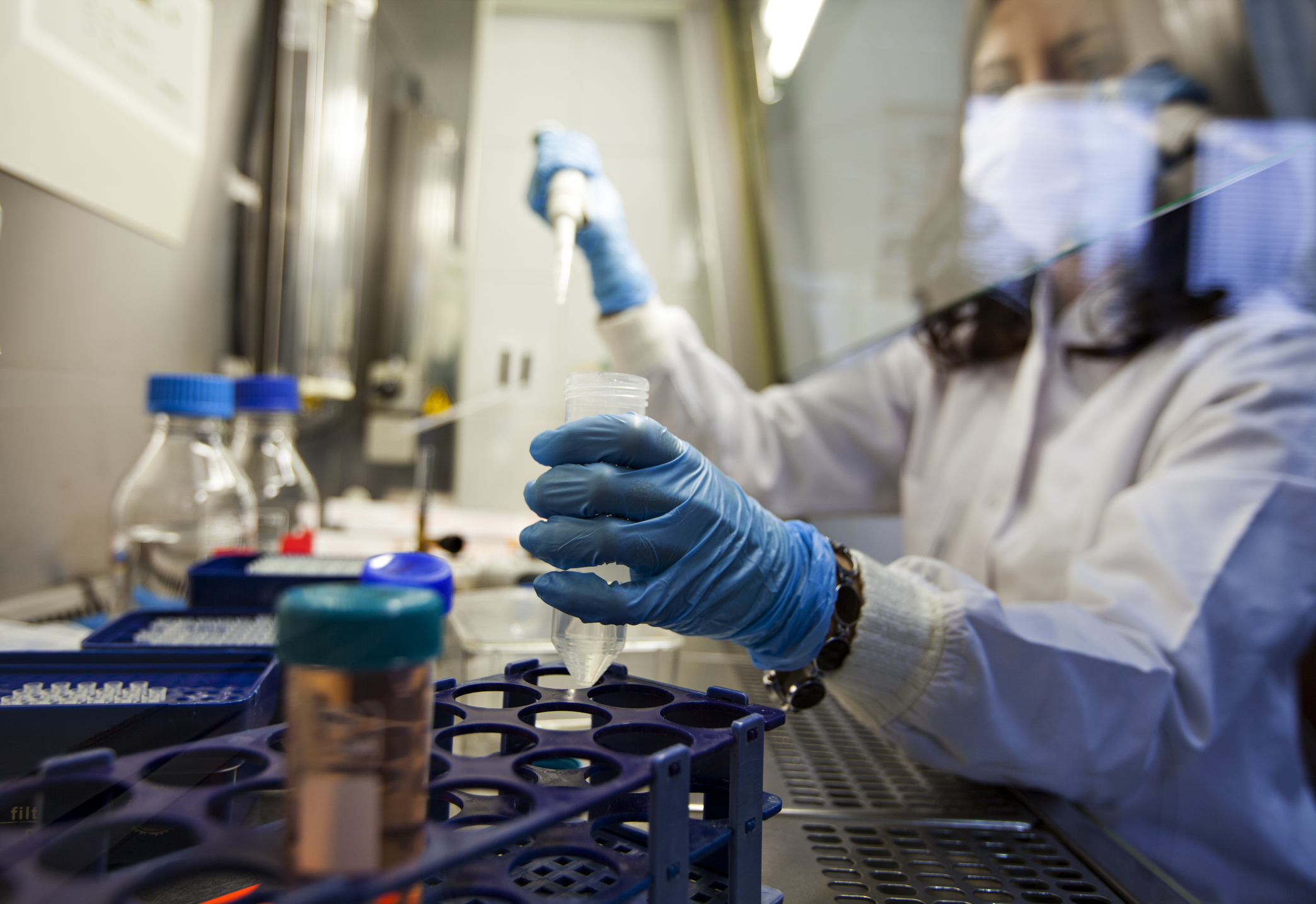
For the first time, the Danish Chamber of Commerce has provided a more precise estimate of employment in the part of the biosolutions sector that works with innovative new foods and ingredients.
Around 4,500 jobs in Denmark are currently estimated to be directly linked to foods and ingredients within biosolutions, including products covered by the EU’s Novel Foods rules. This figure represents a share of the overall biosolutions industry, which comprised 17,300 direct and indirect jobs in Denmark in 2024. According to a 2025 analysis by ADC, this total is expected to more than double by 2035.
Denmark is also internationally well positioned. Food and ingredients are the largest research area within biosolutions, accounting for 26% of all research publications. Denmark is also among the world leaders in patents per capita.
However, this potential risks being held back by the EU’s sometimes lengthy and unpredictable approval processes. As a result, companies may struggle to bring exciting new products to market, while start-ups in particular risk having to shut down before their business ventures can get off the ground due to a lack of capital.
“Here in Denmark, we have some of the world’s most skilled researchers and innovative companies, working hard every day to create new, healthy and sustainable foods for consumers. But this requires a far smoother and more predictable route to market if biosolutions are to become the business success the sector has been hailed as,” says Anne Lerche, Head of Biosolutions at the Danish Chamber of Commerce and Director of the Alliance for Biosolutions at the Danish Chamber of Commerce.
In the United States, approval of an existing food or ingredient takes no more than 180 days. In the EU, the equivalent process takes more than 400 days on average. For novel foods and ingredients, the overall EU process can in practice take two to three years or longer due to repeated requests for additional documentation and so-called clock stops.
The Danish Chamber of Commerce therefore calls for biosolutions to be given a central role in the new government’s forthcoming food strategy. This should include establishing a dedicated Danish fast-track scheme for low-risk novel foods and ingredients with significant potential to strengthen security of supply.
“The ambition must be not only to remain the country where innovative ideas are developed, but also to retain the investments and companies, and ensure that growth can truly take off,” says Anne Lerche.
Read the full Danish Chamber of Commerce analysis here.
More news