Regulatory Sandboxes Can Help Europe Accelerate Biosolutions Innovation
As the European Commission prepares the upcoming Biotech Act II, regulatory sandboxes are gaining increasing attention as a tool to accelerate innovation, simplify regulation, and strengthen Europe’s competitiveness. In a recent contribution to the Commission’s consultation process, Biosolutions Forum+s chair Professor Linda Nielsen, one of Europe’s leading experts on regulatory sandboxes, outlines how regulatory sandboxes can help create faster and more innovation-friendly pathways for biosolutions while maintaining the EU’s high standards for safety and environmental protection.
June 11, 2026
June 15, 2026
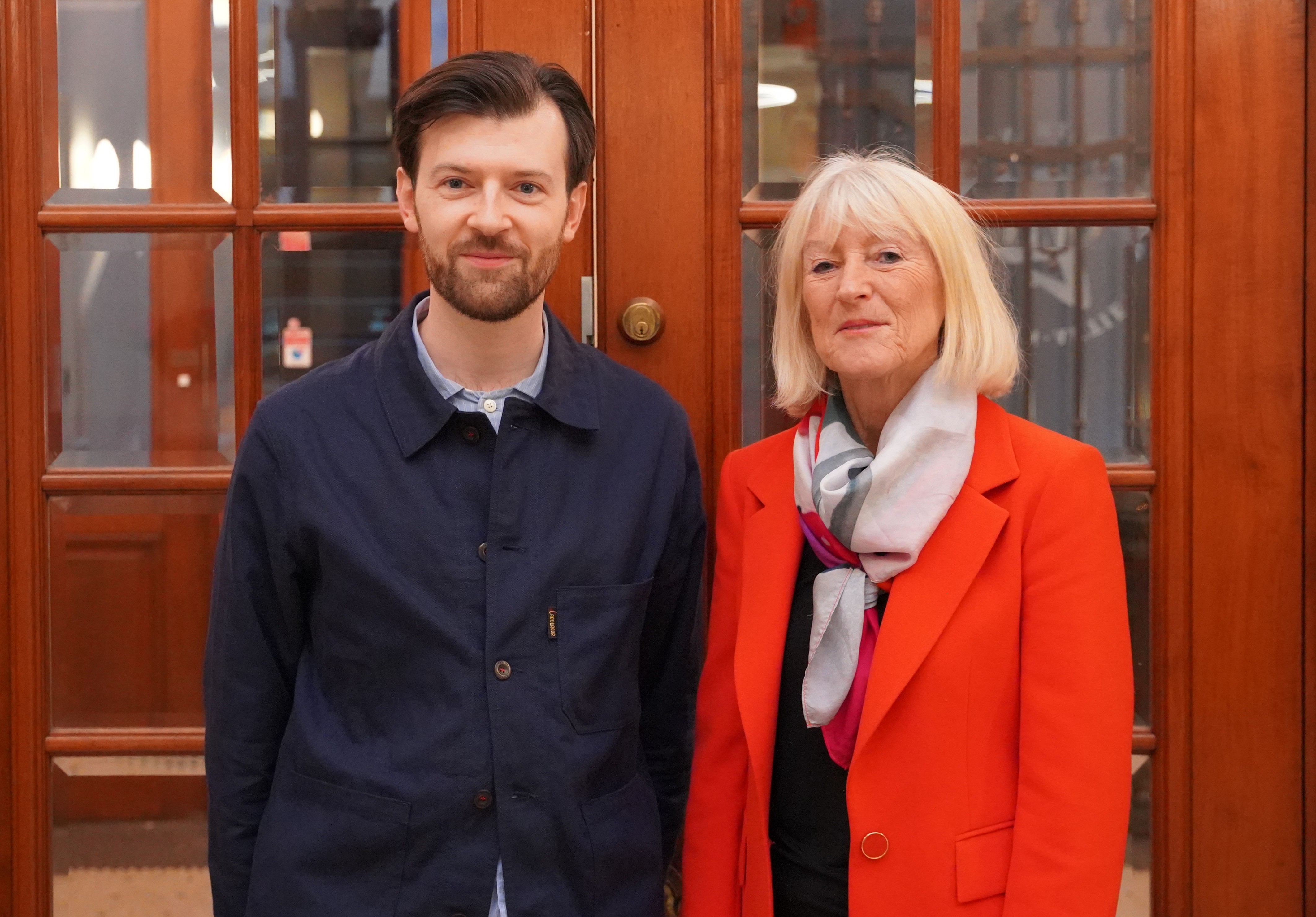
According to Linda Nielsen, Europe faces a growing challenge: innovative companies are often confronted with complex and lengthy approval procedures that delay market access and discourage investment. In some cases, promising technologies and businesses relocate outside Europe, weakening the continent’s competitiveness and slowing the green transition.
Regulatory sandboxes offer a potential solution. By providing a controlled and supervised environment where innovators and regulators can work together to test new technologies, sandboxes can generate evidence, reduce regulatory uncertainty, and help ensure that legislation keeps pace with scientific and technological developments.
Nielsen argues that sandboxes should be designed with sufficient flexibility to address situations where existing regulations no longer reflect current scientific knowledge or emerging technologies. Such flexibility would remain strictly time-limited, transparent, and subject to enhanced monitoring by competent authorities.
The proposal also highlights the potential benefits for European scale-ups and SMEs. Regulatory sandboxes can help companies navigate complex regulatory frameworks, attract investment, generate critical evidence, and ultimately reduce the risk of falling into the so-called “valley of death” between innovation and commercialisation.
For the Alliance for Biosolutions, the discussion around regulatory sandboxes is closely linked to our broader strategic priorities of better regulation, access to capital, and stronger scale-up conditions. Creating faster and more predictable pathways to market is essential if Europe is to remain an attractive place to develop, manufacture, and scale biosolutions.
As one of Denmark’s foremost legal scholars in this field, Professor Linda Nielsen continues to play a leading role in shaping the European debate on regulatory sandboxes and their potential to support innovation, competitiveness, resilience, and the green transition.
More news